The required sacrifice
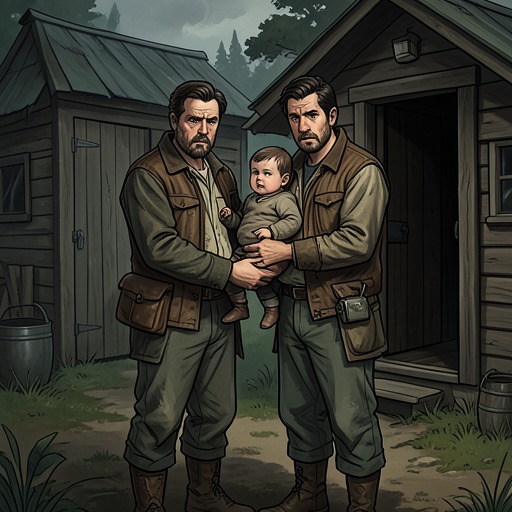
The Cabin at the End of the WorldThe required sacrifice is the visitors’ demand that Andrew, Eric, and their daughter Wen choose one member of their family to die in order to prevent the apocalypse. It turns an alleged rescue of humanity into a test imposed on a captive family: the choice is called voluntary and selfless, but refusal is tied to the destruction of the world, and the family is not free to leave. The novel sustains uncertainty about whether the disasters validate the command, but makes the human cost of enforcing it unmistakable.
The Command and Its Claimed Authority
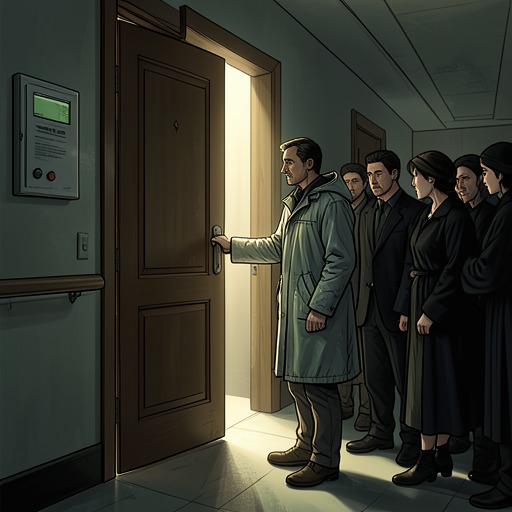
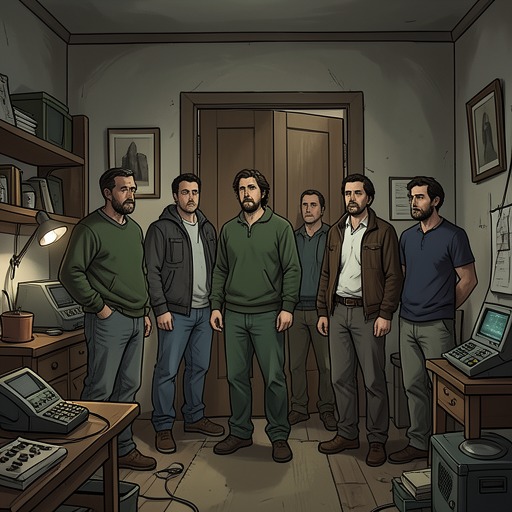
Leonard first presents the visitors as strangers united by a message received at the same precise time the previous Monday. He says a shared vision has become a command they cannot ignore. The four, he claims, can prevent the apocalypse only with the help of everyone in the cabin, making the family’s response decisive rather than incidental. When asked who is making them do this, Leonard names God; saying the word brings him both relief and fear.
The demand itself is specific: the family must willingly choose one of its three members and then kill that person. If they do not choose, or fail to carry out the killing, Leonard predicts that more than seven billion people will die. He says Andrew, Eric, and Wen will survive only long enough to witness the devastation and remain alone in the ruined world. The promise of their survival therefore offers no ordinary reprieve: it is part of the threat, not an escape from it.
Leonard also insists that the visitors will not kill the family themselves, apart from the force already used to enter the cabin and compel them to listen. He promises comfort while they remain there, but says they must stay until they choose or their allotted time expires. This distinction between direct violence and an imposed decision does not make the choice free. The family is confined, given an ultimatum over the lives of its members and the fate of humanity, and denied a practical way to withdraw from the demand.
A Choice Repeated Under Pressure
The visitors return to the ultimatum rather than treating the family’s first refusal as an answer. After the news shows a devastating northern Pacific earthquake and tsunami, Leonard says the choice will be offered again the next morning. He calls sacrifice a gift, describes it as difficult and selfless, and sets it against the alternative of letting the clock move closer to permanent midnight. He promises to leave the family alone for the rest of the day and night, but the repeated warning keeps their supposed period of reflection inside the same captivity and threat.
Eric tries to interrupt the process by prolonging conversation. As Adriane hides a white mesh mask behind her back, he asks her to talk about the restaurants where she used to work. His effort shifts attention from the demanded choice to an ordinary detail of her former life; the visitors do not take up the invitation and instead cluster together. The scene exposes the narrowing options built into the command: even a request to keep talking is treated as delay while the family is pressed to decide.
The visitors’ own deaths become part of the argument. Sabrina later links the sequence of calamities to the sacrifices already made: after Redmond died, an earthquake and tsunami struck; after Adriane died, bird flu spread. She counts down the surviving visitors and warns that, if the family still refuses, she and Leonard will be the next sacrifices, with each death bringing another calamity. Eric supplies the image of the skies breaking into pieces like glass. In this account, the visitors’ deaths are not incidental losses but steps in a system that claims to make catastrophe both evidence and consequence.
Competing Explanations
For Leonard, the message and disasters establish a divine mission. His account moves from a shared vision, to an unavoidable command, to a family decision said to control the world’s survival. The visitors’ insistence that the sacrifice must be willing is central to that logic: the family is not merely asked to endure an imposed death but to take responsibility for selecting and killing one of its own. Yet the surrounding conditions—captivity, a deadline, and the threat of worldwide death—make the language of willing consent profoundly unstable.
Andrew rejects the visitors’ account and calls them homophobic doomsday cultists. In his interpretation, they obtain identity and purpose from belief in the approaching end and try to manipulate a gay couple into harming each other. He reasons that their story protects itself from disproof: if Andrew or Eric kills the other and the world does not end, they can still claim the sacrifice prevented it; if the visitors kill themselves, they will not be alive to see the apocalypse fail to arrive. This is Andrew’s explanation, not a settled confirmation of the visitors’ motives, and the novel leaves the supernatural claim unresolved.
The pattern of disasters nevertheless exerts pressure even on those who distrust the command. Andrew asks Eric directly whether one of them has to be killed to keep the world from ending. Eric’s answer, not yet, leaves his position unclear rather than resolving the question. Andrew challenges him to separate the evidence from the rule the visitors have attached to it: they expect the family to believe that Wen’s death would not count as an acceptable sacrifice to their God. His refusal to accept that premise makes the demand’s moral arithmetic visible. The visitors define whose life could satisfy the command; the family is asked to act as if that definition were binding.
Refusal and the Meaning of Sacrifice
After Sabrina’s death, Andrew tells Eric to set aside O’Bannon, Redmond, coincidences, and rules. He focuses instead on the demand that Wen’s death would not be enough for the visitors’ God, and rejects the authority behind it. His anger breaks into sobbing. The moment shifts the argument away from whether every coincidence can be explained and toward the family relationship the sacrifice would violate: Wen is their daughter, not an expendable answer to someone else’s theology.
Eric tries to stop Andrew from acting against himself, and Andrew admits that he loves Eric before insisting that one of them must die. The required sacrifice has reached its most intimate form: not a distant prophecy but a proposed act between partners who have already endured the deaths and disasters surrounding them. Eric asks whether the figure in the light is present; it is not. The absence leaves no immediate supernatural presence to settle what the command means.
When Eric asks what they will do if the apocalypse is real, Andrew answers that they still will not hurt each other and says they will go on. The novel does not resolve whether the visitors’ prophecy is true, but it does establish the family’s answer to the sacrifice demand: they refuse to make love into an instrument of the visitors’ rule. Their refusal exposes the gap between a choice described as salvation and a decision manufactured through confinement, terror, and the threatened loss of everyone they love.